Cotton is one of the world’s favourite natural fibres.
Cotton is comfortable, naturally sustainable and low maintenance. The fibre is strong and durable, vegan-friendly, hypoallergenic, and odour-free. This wonderfully versatile fibre is soft to touch, lightweight and, because it's a cellulose fibre, it pulls heat away from the body making it cool to wear. Perfect for the warmer months.
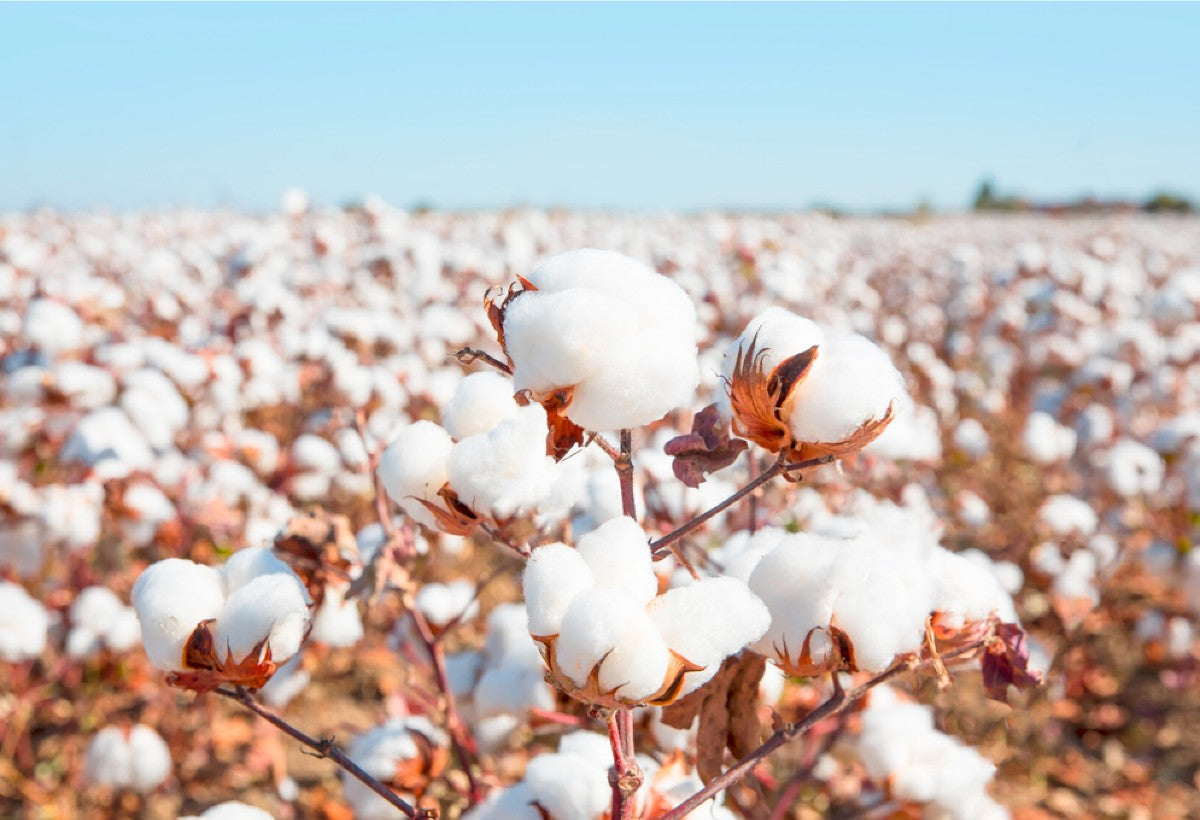
Cotton (Gossypium hirsutum) is grown around the world for its soft fibre, which develops around the seeds forming a boll. This fibre is picked and spun into yarn. Growing to around a metre tall, cotton native to tropical and subtropical regions around the world, including the Americas, India and Africa. In Australia, cotton is grown in New South Wales and Queensland. Most Yarn made from Australian-grown cotton is uncommon.
You can find all our cottons here or in the By Fibre tab at the top of the page.
Working with cotton:
- 100% cotton knits may be a little stiffer than other yarns or blended yarns but will soften beautifully with washing and wearing.
- Because cotton holds water better than other yarns, it can stretch so knit or crochet a gauge swatch and hang it as it dries to see how the yarn / fabric behaves. You’ll want to treat your swatch like your finished article to test colour, stretch and size.
- Cotton has no elasticity or 'memory'.
- Cotton is heavier than woollen yarns.
- Unless you’re using organic cotton, cotton is treated with pesticides. If you’re looking for something more eco-friendly, give organic cotton a try.
There are various types of cotton. Here are a couple of the most common:
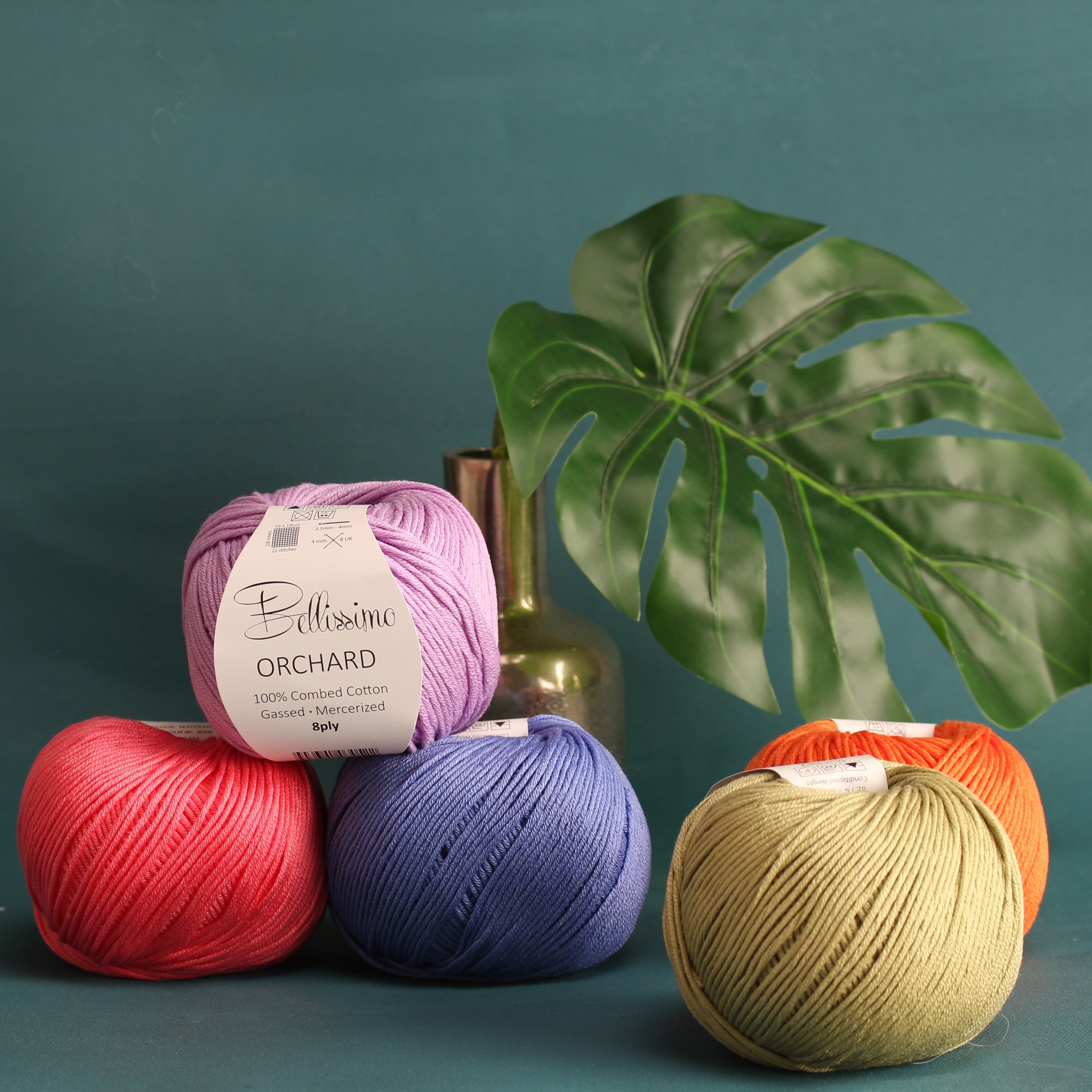
Mercerised cotton - the cotton undergoes a chemical process, which causes the cotton fibre to swell and become more spherical, giving the fibre more lustre (shine). Mercerisation also increases the ability of the fibre to absorb more water and therefore more dye, so colours are up to 25% brighter and more intense than unmercerised cotton. The treatment also increases strength, smoothness, resistance to mildew and also reduces lint.
Egyptian cotton - is the premium cotton variety. Cotton can only be called Egyptian cotton if it has been grown in the Nile Delta, where the rich soil and climate help the cotton plant to grow slower for longer. This produces fine diameter fibres with an exceptionally long staple length (the length of the individual fibre). It is also more absorbent, smoother, stronger and more durable with less likelihood of pilling than regular cotton. Bellissimo Airlie and Orchard are both Egyptian cotton.