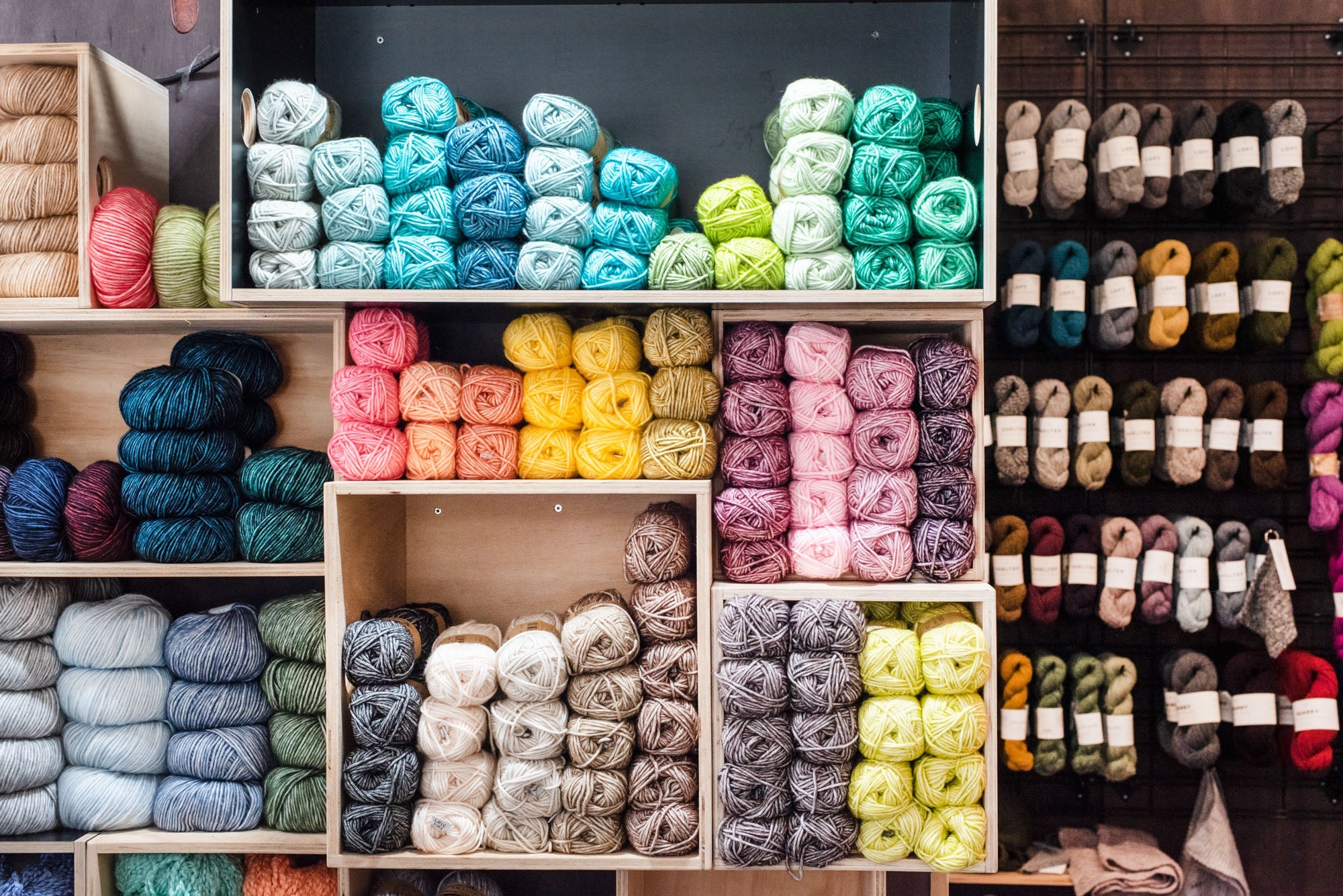

There's nothing more exciting than finding a pattern you can't wait to cast on – until you discover the suggested yarn is sold out, over your budget, not available in Australia, impossible to find anywhere, or just not your cup of tea. Take a breath: you can almost always swap it for something else. In fact, helping with yarn substitutions is the single most common thing we do for our customers, so let's walk you through exactly how we'd do it.
Swapping the yarn a pattern asks for? Match the gauge first, because it matters more than anything else. Then think about fibre, since wool, cotton and alpaca all drape differently. Swatch, because we all knit differently. And buy by the metre, never by the number of balls.
1. Match the gauge first
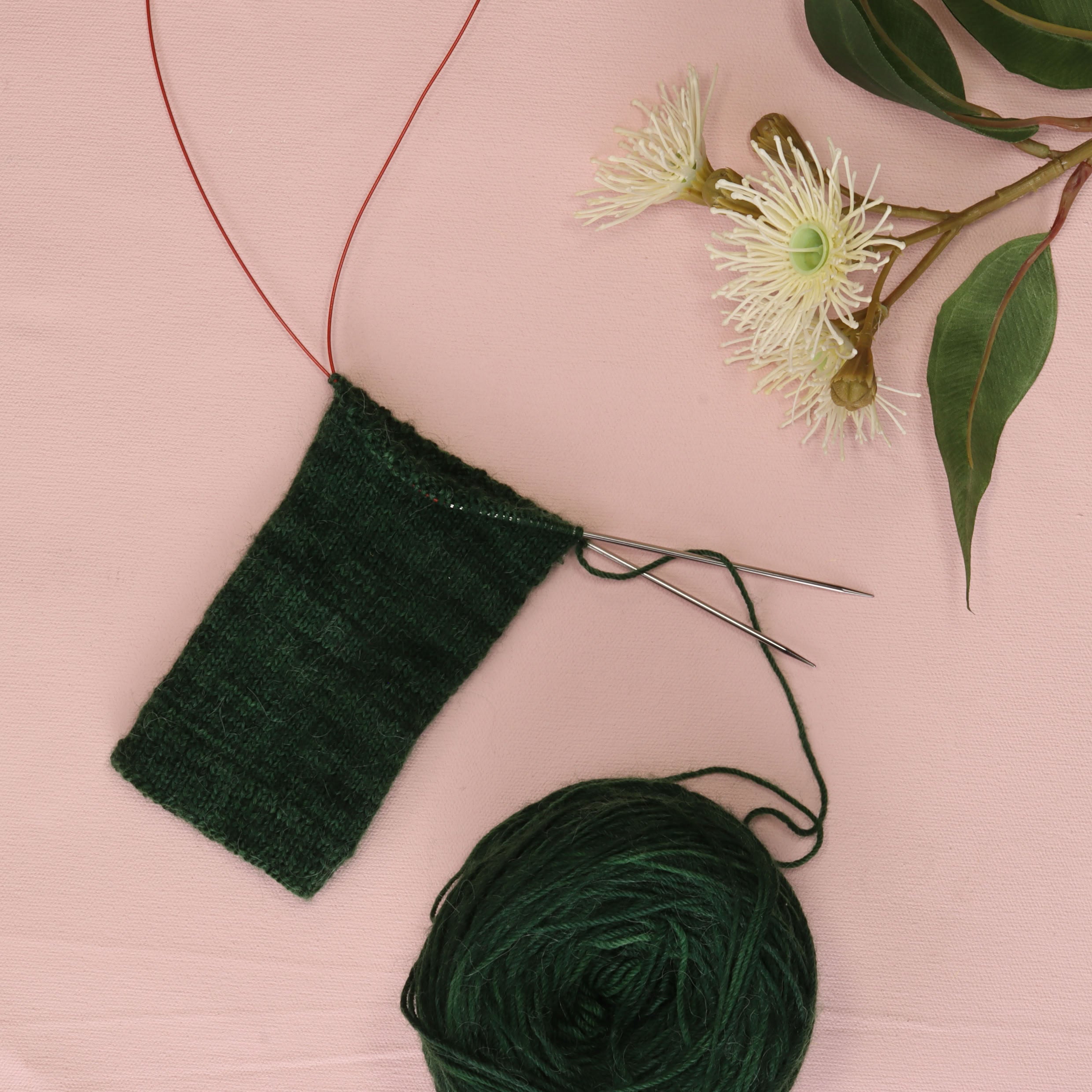
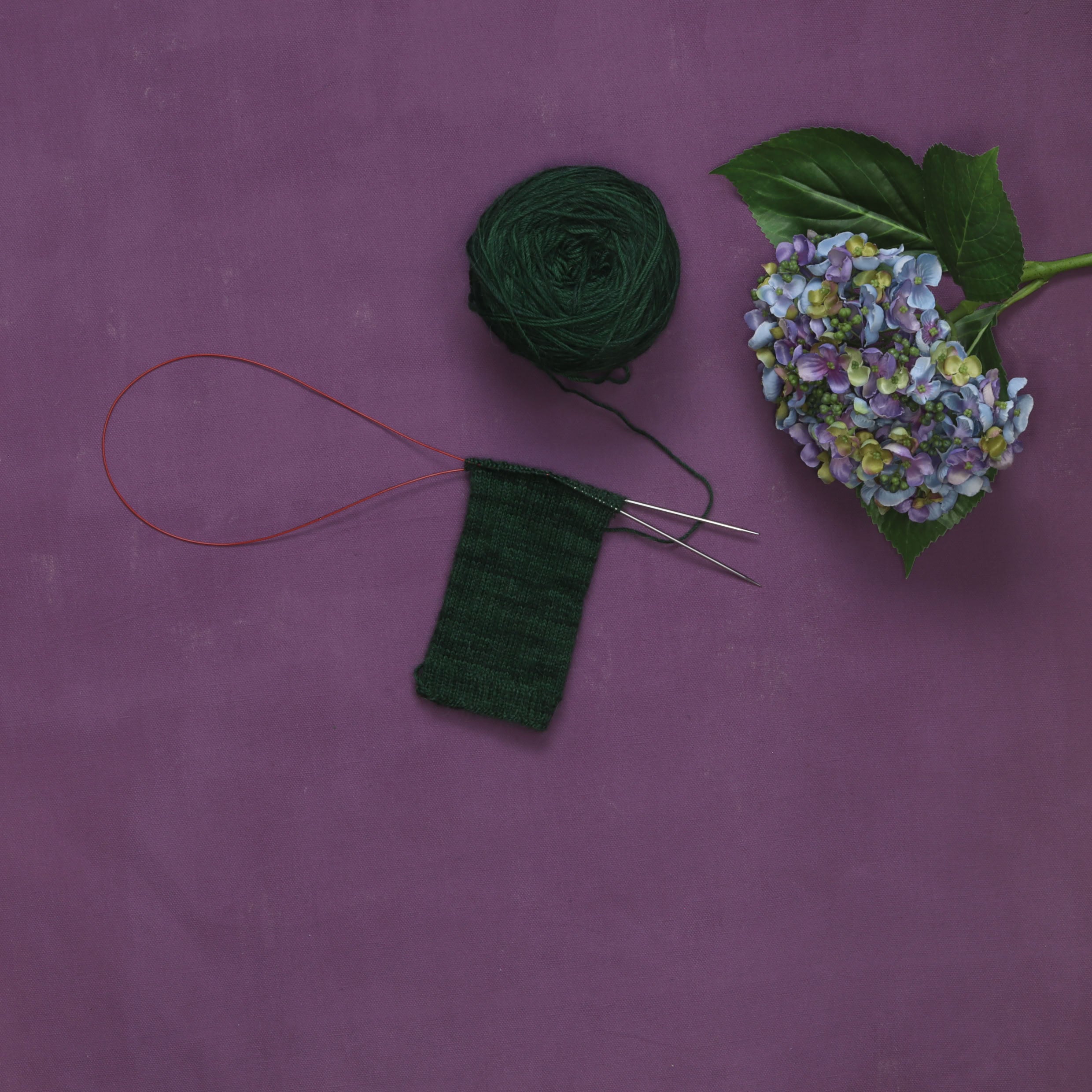
Gauge is how many stitches and rows you get over 10 cm (4 inches), and it's the single most important factor. If your gauge doesn't match the pattern's, your finished piece can come out too small, too big, or with a drape and feel in the hands that you didn't expect – or simply don't like. Knit (or crochet) a swatch in your chosen yarn on the suggested needle or hook, measure it, and compare. If you have too many stitches, try a larger needle; too few, go smaller. New to this? Our guide to swatching makes it painless.
It also helps to know roughly what weight you're working with. If you're unsure how 'DK' relates to '8 ply', our guide to yarn weights and ply is the perfect companion to this one.
2. Think about the fibre
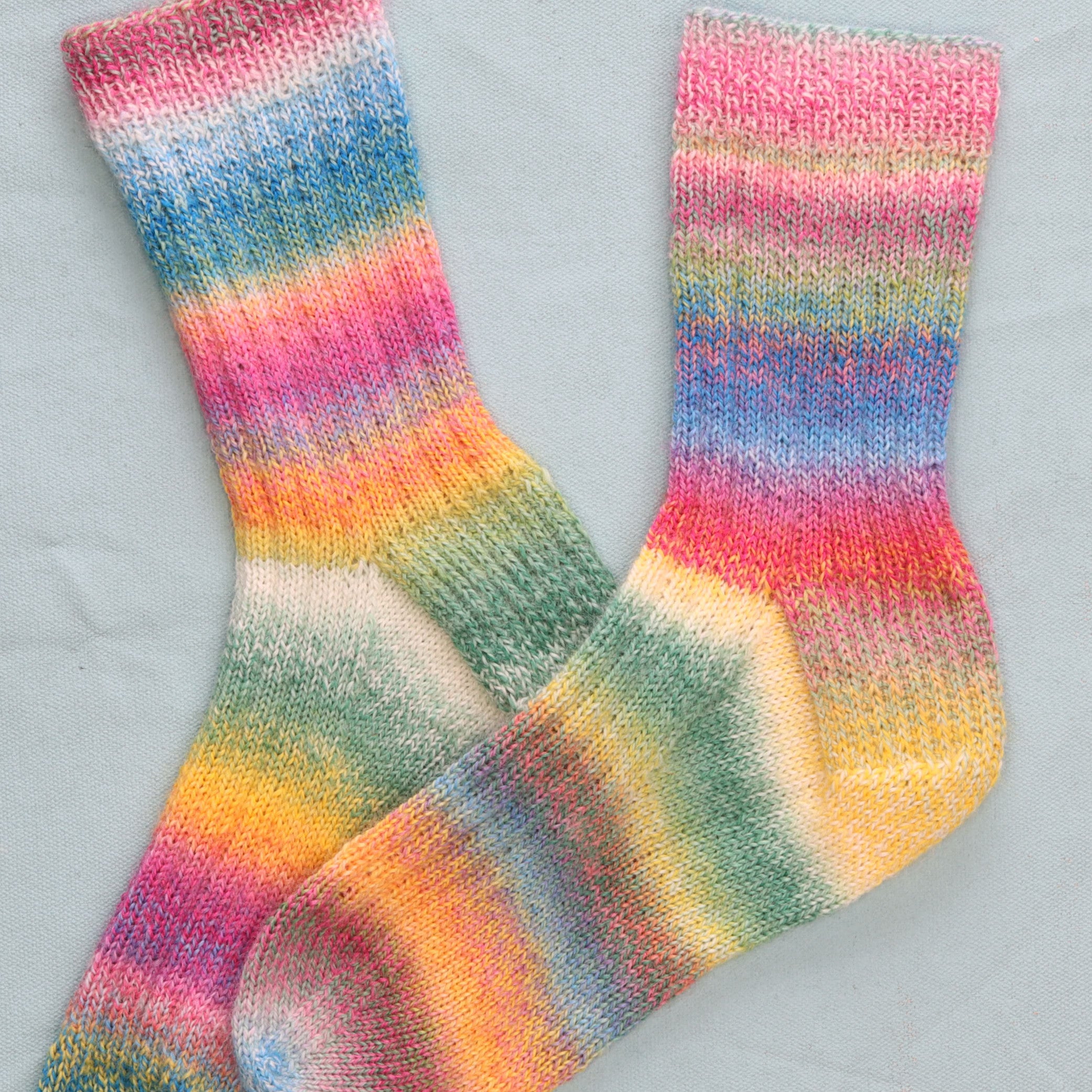
Two yarns can be the same weight but feel like completely different things, because the fibre changes how a fabric drapes, stretches and wears. Wool is springy and holds its shape; cotton and silk have more drape and less bounce; alpaca is warm and fluid. Swapping fibres isn't wrong – it just changes the result, so do it on purpose. A rough guide:
| If you swap… | You get… |
|---|---|
| Wool → alpaca | Warmer, heavier, more drape, and less stitch definition |
| Wool → cotton | Less stretch, cooler, heavier drape – lovely for summer |
| Wool → acrylic | Lighter, less elastic, often less breathable |
| Smooth wool → mohair blend | Softer halo, cosier, with a bit less crispness |
For something fitted like a jumper, a springy wool gives you a structured, hold-its-shape fabric. For a flowing shawl or a tee, a drapier fibre – a wool-and-silk or a linen blend, say – can be exactly what you want.
3. Know your own tension
Even with the very same yarn and needles, your gauge may not match the designer's – we all knit and crochet differently. Your tension is shaped by how you hold your yarn, how you hold your needles or hook, and even how relaxed or rushed you are on the day. So many little things feed into it, which is exactly why swatching matters even more when you substitute.
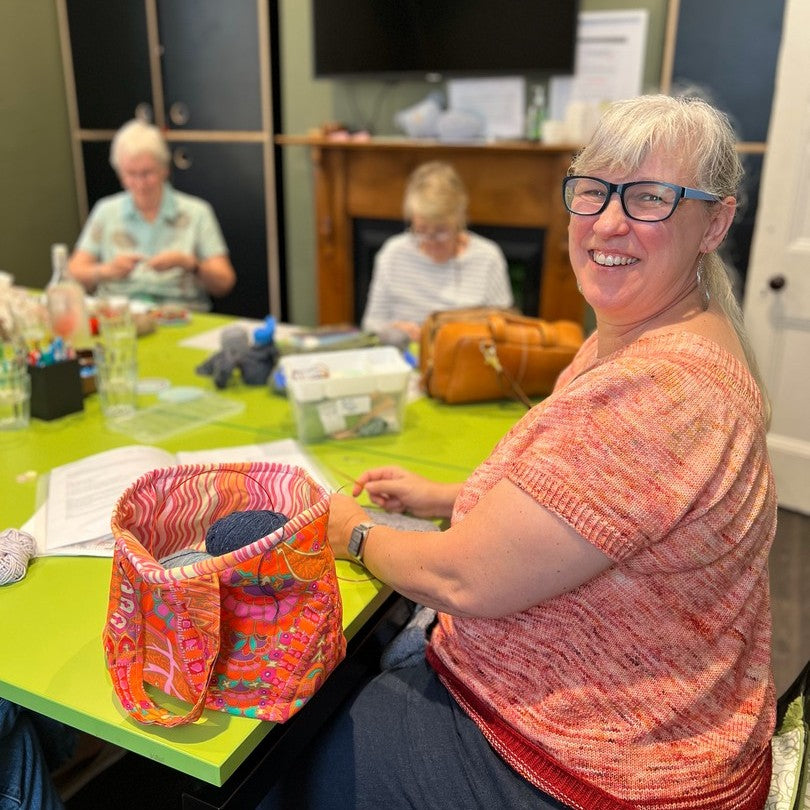
I know I knit and crochet a little loosely, so I usually go down a needle size from the pattern's recommendation. The exception is when I know the designer works the same way I do – I knit continental style, so if the designer is also a continental or famously loose knitter, I might not need to adjust at all.
There's another option, too: rather than changing your needle to force the designer's gauge, you can accept that your gauge is simply different and choose a different size to make instead, so the finished measurements come out right. It's a lovely trick – but it's a whole other post, one we're planning, all about the maths behind knitting and crochet.
4. Buy by the metre, not the ball
This is the step that trips people up. Every yarn is a slightly different weight and ball size – there's no standard – so 'the pattern needs 5 balls' tells you nothing until you know how many metres are in each ball. Work out the total metres the pattern needs, then divide by the metres per ball of your substitute to get the number of balls to buy.
For example: if a pattern calls for 5 × 50 g balls at 100 m each, that's 500 m in total. If the yarn you're substituting has 95 m per ball, then 500 ÷ 95 = 5.3 – so you'd buy 6 balls. Always round up, and buy from the same dye lot.
This matters most with older patterns. We often have customers come in with patterns from the 1950s, 60s and 70s that simply say something like '5 balls of Patons Bluebell' – but who knows how many metres that actually is, so the ball count alone can lead you astray. Bring the pattern in and we'll help you work out the modern equivalent.
A couple of handy shortcuts
- YarnSub (yarnsub.com) suggests alternatives to a named yarn based on weight and fibre – a great starting point.
- On Ravelry (ravelry.com), open the pattern and browse other makers' projects: you can see exactly which yarns people substituted and how they turned out.
When in doubt, just ask us
This is one of our favourite things to help with. If you tell us the pattern and the look you're after, we'll happily point you to the right yarn from our range. Pop into the shop, visit our Help Clinic, or send us a message – we do this every single day.
Great yarns to substitute with
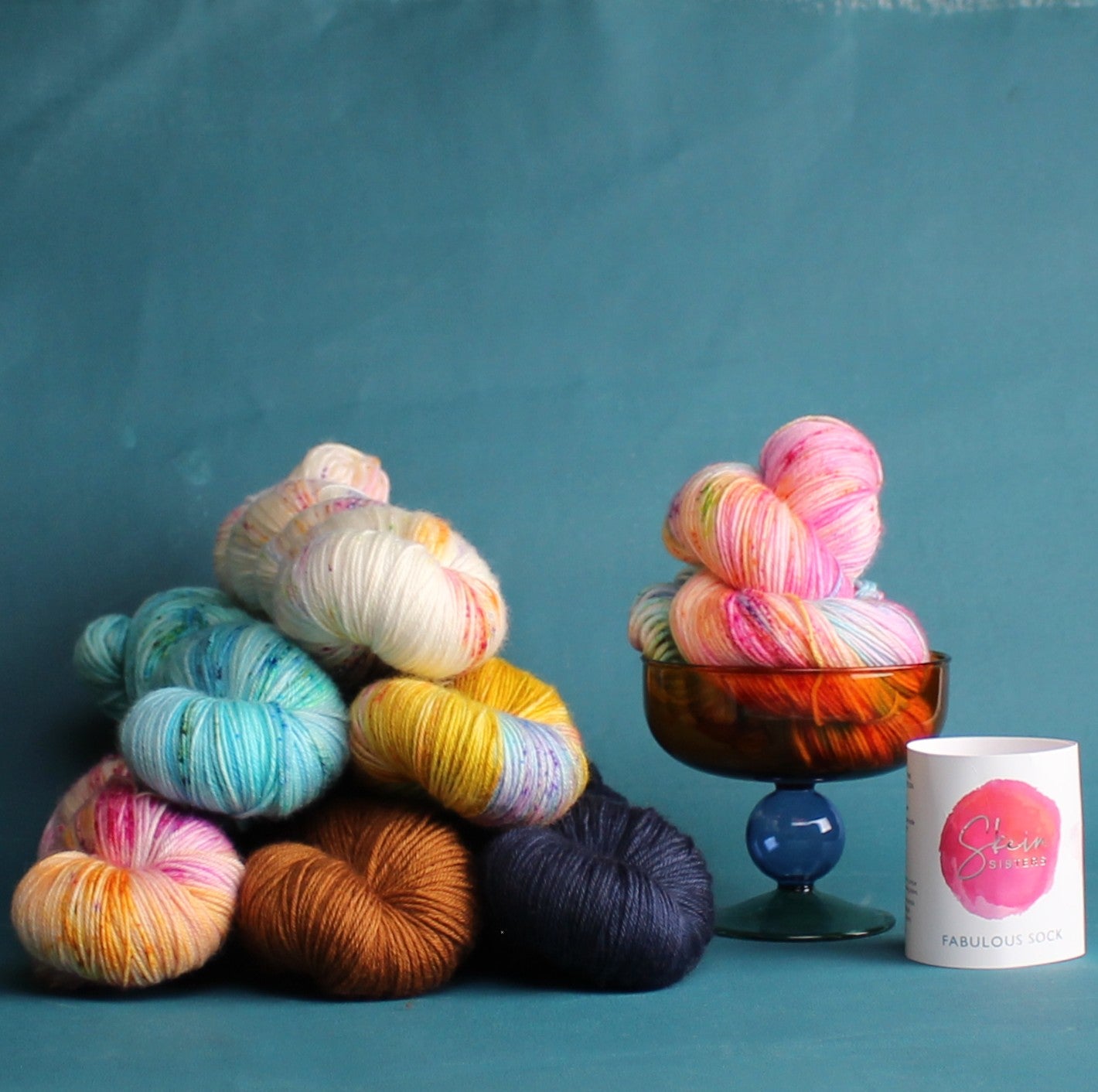
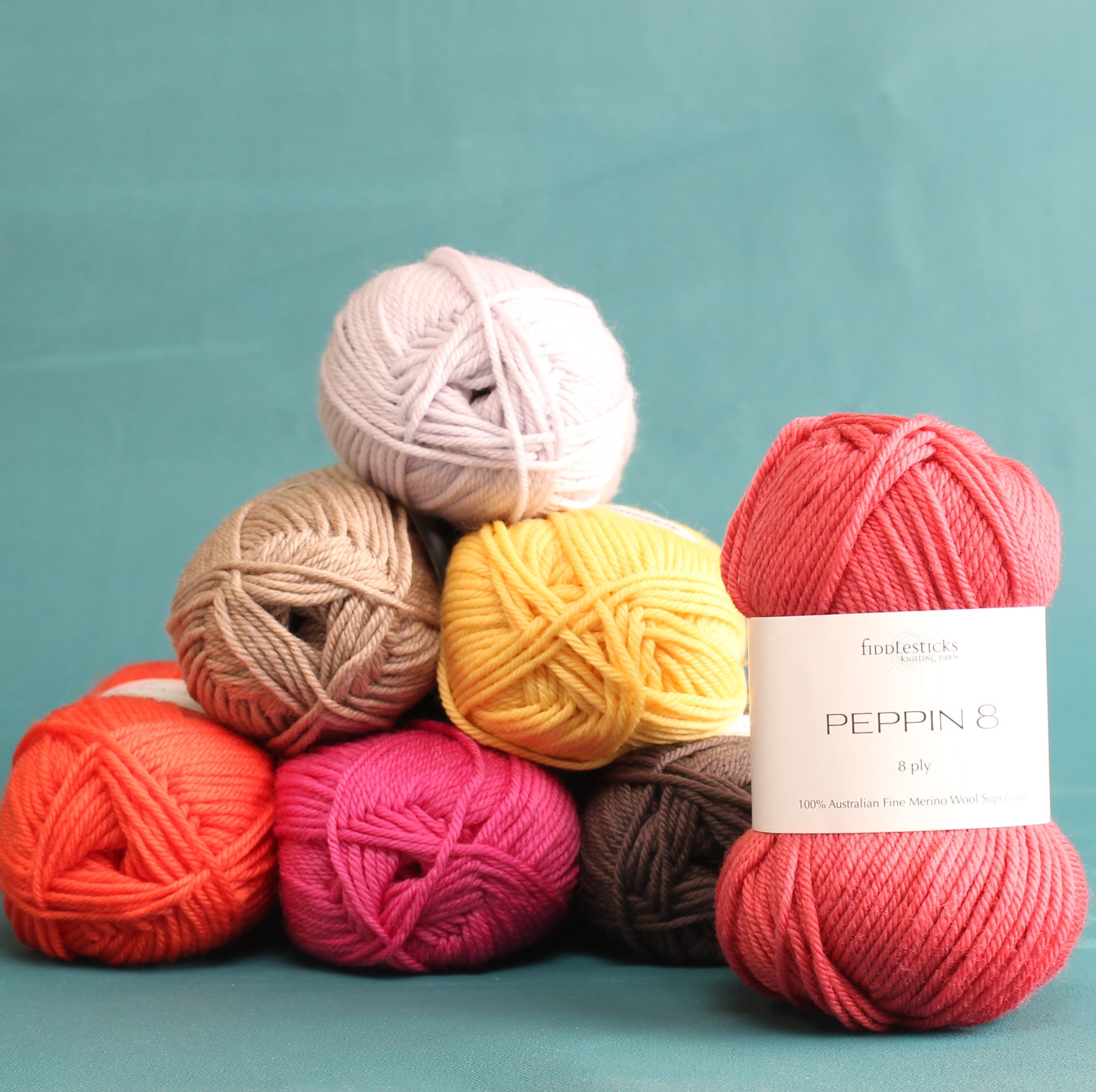
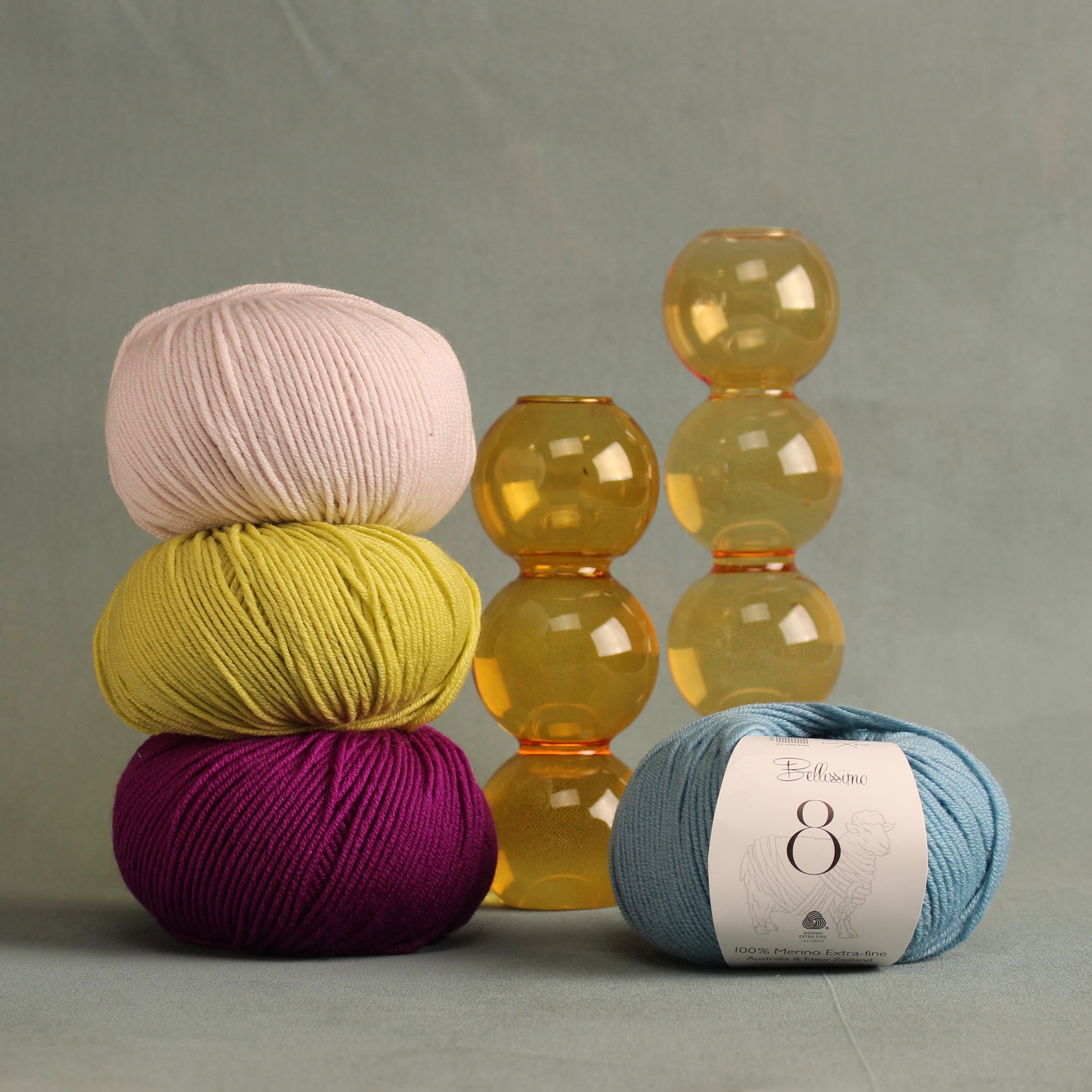
Fabulous Sock · 4 ply · Peppin 8 · DK · Poet · 10 ply · Browse all yarn
Common questions
How do I substitute yarn in a knitting or crochet pattern?
It works the same for both crafts: match the gauge first (knit or crochet a swatch and compare stitches per 10 cm), choose a similar fibre for the right drape, allow for your own tension, and work out how much you need by total metres rather than number of balls.
Can I substitute DK for worsted, or 8 ply for 10 ply?
Sometimes – they're close, and a heavier DK can stand in for a light worsted. But check the gauge and swatch, because the two weights aren't identical.
How much yarn do I need if I substitute?
Work out the total metres the pattern needs (the pattern's balls × metres per ball), then divide by the metres per ball of your substitute to get how many balls to buy. Ball sizes vary, so always work in metres, round up, and buy from one dye lot.
Does the fibre really matter if the weight is the same?
Yes. Same weight, different fibre can look and behave very differently – wool is springy, cotton and silk drape more, alpaca is warmer and heavier. Choose the fibre to suit the project.
Happy substituting – and remember, we're only ever a message away.
Debx